logo

Chi tiết sản phẩm

Created with Pixso. Nhà Created with Pixso. các sản phẩm Created with Pixso.
Máy ép lưu hóa cao su
Created with Pixso.

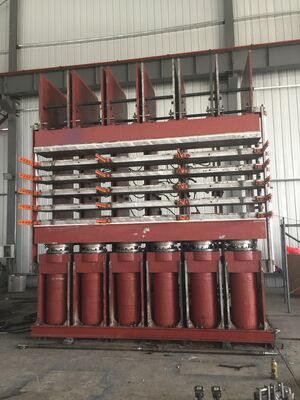
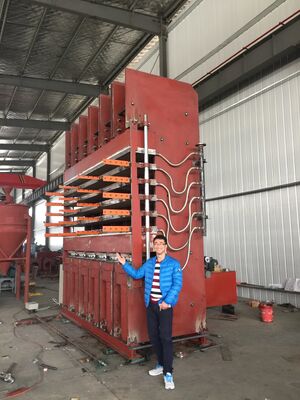
Fully Automatic Hydraulic Tire Tread Vulcanization Press with 800T Clamping Force and Electric Heating for Precision Curing

Fully Automatic Hydraulic Tire Tread Vulcanization Press with 800T Clamping Force and Electric Heating for Precision Curing

Tên thương hiệu: Beishun
Số mẫu: XLB-200×4000/8.0MN
MOQ: 1 BỘ
giá bán: Có thể đàm phán
Điều khoản thanh toán: L/C,T/T
Khả năng cung cấp: 10 bộ/45 ngày
Thông tin chi tiết
Nguồn gốc:
Thanh Đảo
Chứng nhận:
ISO9001/CE
Chế độ điều khiển:
PLC hoặc thủ công
Đường kính xi lanh:
320mm
Loại điều khiển:
PLC
Tính cách:
Với khuôn đẩy-kéo
Nguồn điện:
Tùy chỉnh
Tên khác:
Máy ép chữa bệnh
Vật liệu xi lanh:
Gang đúc
Lực kẹp:
800t
Điện áp hoạt động:
380V 50HZ 3 pha hoặc tùy chỉnh
Người mẫu:
XLB-200×4000mm/8.0MN
Khoảng cách tấm:
400mm hoặc Tùy chỉnh
Tấm ánh sáng ban ngày:
200mm
Vật liệu tấm:
45# Thép
Thời gian lưu hóa:
0-999S
Điện áp:
Yêu cầu của khách hàng
chi tiết đóng gói:
HỘP GỖ
Mô tả Sản phẩm

Jaw vulcanization is a highly efficient and specialized tread vulcanization and shaping process in cold retreading (pre-vulcanized tread retreading) of mining engineering vehicle tires. Its core principle is to apply uniform lateral pressure and temperature to the tire carcass with a pre-formed tread using a jaw vulcanizing machine, completing the cross-linking of the rubber layers and the shaping of the tread pattern.

Jaw Vulcanizing Machine
I. Core Definition and Principle
Cold Retreading (Pre-vulcanized Retreading):

Using a pre-formed tread (with complete tread pattern) that has been vulcanized at high temperature, it is bonded to the sanded old tire carcass through low-temperature vulcanization (110–120℃) and a special adhesive.

Jaw Curing:
  • Equipment:
    Jaw tread vulcanizing machine (hydraulic drive, jaw pressure plate, heating plate)
  • Principle:
    When closed, the upper and lower jaw plates apply uniform pressure (0.8–1.2 MPa) from both sides towards the center, combined with electric/steam heating (110–120℃), ensuring thorough vulcanization and tight bonding of the buffer rubber/adhesive between the pre-made tread and the tire carcass.
  • Advantages:
    Uniform pressure, precise shaping, high efficiency, suitable for large-size heavy-duty tires.
II. Applicable Scenarios (Mining Engineering Vehicle Tires)
Applicable to:

Heavy-duty engineering tires for large mining dump trucks, loaders, bulldozers, etc. (23.5R25, 29.5R25, 35/65R33, etc.) Tires with intact carcass structure and only tread wear that can be retreaded.

Advantages:
  • Uniform pressure distribution: Avoids uneven local pressure in traditional vulcanizing tanks, reducing air bubbles and delamination.
  • Authentic tread pattern: Pre-fabricated tread pattern is non-deformable and highly clear.
  • High efficiency: Multi-layer mold, automatic push-pull, multiple tires can be processed in a single batch.
  • Minimal carcass damage: Low temperature (110–120℃), lower than hot retreading (150–180℃), protecting carcass strength.
III. Complete Process Flow (Cold Retreading + Jaw Curing)
  1. Carcass Inspection and Screening
    • Appearance + X-ray / Ultrasonic Testing: No structural damage, no broken steel wires, no delamination.
    • Wear Standard: Remaining tread ≥ 2mm
  2. Carcass Pretreatment
    • Cleaning → Drying → Large Grinding / Fine grinding (exposing fresh rubber, without damaging the cords)
    • Repairing damage (≤3 places, single hole ≤35mm)
    • Applying adhesive/mortar → Drying
  3. Tread bonding
    • Applying buffer rubber layer (intermediate pad rubber)
    • Centering and bonding pre-cured tread → Roller pressing for degassing and compaction
  4. Jaw vulcanization (core)
    • Loading into the jaw vulcanizing machine → Closing and pressurizing (0.8–1.2 MPa)
    • Heating to 110–120℃ → Holding vulcanization for 120–180 minutes
    • Pressure holding, temperature control, degassing
  5. Cooling, finishing, quality inspection
    • Natural cooling → Deburring, shoulder trimming
    • Appearance + uniformity + dynamic balance testing
IV. Key parameters (jaw vulcanization)
  • Temperature: 110–120℃ (low temperature, protecting the tire carcass)
  • Pressure: 0.8–1.2 MPa (lateral uniform pressure)
  • Time: 120–180 Minutes (larger specifications, longer)
  • Environment: Fully vented, no bubbles
V. Comparison: Jaw Vulcanizing vs. Traditional Vulcanizing Tank
Jaw Vulcanizing Vulcanizing Tank
Pressure Laterally uniform Circumferential, uneven
Temperature 110–120℃ 115–150℃
Shaping Precise, clear tread pattern Moderate, easily deformed
Efficiency High (multi-layer, automated) Low (single tire/ (Minority)
Tire body damage Minimal Significant
Suitable for Heavy-duty engineering tires, cold retreading Small and medium-sized tires, hot retreading
VI. Quality Key Points
  • Tire Carcass Qualified: No hidden damage
  • Grinding Properly: Ra50–100μm, no contamination
  • Tight Bonding: No air bubbles, accurate centering
  • Precise Vulcanization: Strict control of temperature, pressure, and time
  • Finished Product: No air bubbles, no delamination, clear tread pattern, bonding strength ≥8N/mm
VII. Summary

Jaw vulcanization is the preferred process for cold retreading of mining engineering vehicle tires. With its uniform pressure, low-temperature precision, high efficiency, and stability, it allows retreaded tires to approach the performance of new tires (lifespan reaching 85%+ of new tires), while costing only 30–40% of new tires, significantly reducing mining operating costs.

Fully Automatic Hydraulic Tire Tread Vulcanization Press with 800T Clamping Force and Electric Heating for Precision Curing 0